
The Cam & Valvetrain calculator is the deepest tool in the set. It ties together the four things that decide how an engine breathes and survives at the top of the rev range: the cam timing, how the valves and ports flow, the springs that keep the valves following the cam, and the clearance between piston and valve. Open it from Calculators › Cam & Valvetrain. Lengths take inches or millimetres, and the Valve & Port tab can receive a CFM figure sent from Air Flow or the Turbo calculator.

Enter a cam card and this tab turns the raw figures into the numbers that describe its character. Duration is given two ways: advertised (total crank degrees the valve is off its seat) and @ 0.050″ (measured at 0.050″ of lift) — the latter is the standardised figure used to compare cams fairly. Lift combines lobe lift, rocker ratio and lash into the net valve lift (lobe lift × rocker ratio, less the lash). Timing takes the LSA (lobe separation angle), the ICL (intake centreline) and the intake/exhaust open and close angles.
From those it computes:
This tab asks whether the valve is big enough for the air you want to push through it. Enter the valve diameter, the peak valve lift (or click Use Tab 1 lift), a target port velocity (around 260 ft/s is a healthy aim), an optional required CFM (this is where a figure handed over from Air Flow or Turbo lands) and the air density. It then reports:
Sending the air target across from Air Flow or Turbo lets you size valves and ports against a real number rather than a guess.
A valve spring exists to keep the valve glued to the cam; when it cannot, the valve floats and power falls off a cliff (or worse). Enter the peak valve lift (or Use Tab 1 lift), the installed height, the seat and open pressures, and optionally the effective mass of the valvetrain. It returns the spring rate (lb/in), the spring’s natural frequency (Hz) and an estimated float RPM — the speed beyond which the valve can no longer follow the cam. The float estimate needs the effective mass; without it you still get the rate and a frequency.
The safety check. Enter the engine geometry (bore, stroke, rod length, deck clearance, gasket thickness — the From Mechanical Calculator button fills these from the Mechanical Calculator) and the valve geometry, and it sweeps through the overlap region to find the minimum piston-to-valve clearance and the crank angle where it is tightest. This is the number that confirms the valves and piston never touch — essential whenever you fit a bigger cam, advance the timing, or skim the head.
Tip — compare cams by their @ 0.050″ duration, not the advertised figure; bring a CFM over from Air Flow or Turbo to size the valve on tab 2; and never skip tab 4 after a cam or timing change — check the float RPM on tab 3 too, so the valvetrain can actually reach the speed you are planning for.
Note — the Valve & Port tab shows live coaching as you type: it tells you when L/D or the Mach index drifts out of the productive range, so you can spot a too-small port or wasted lift at a glance.
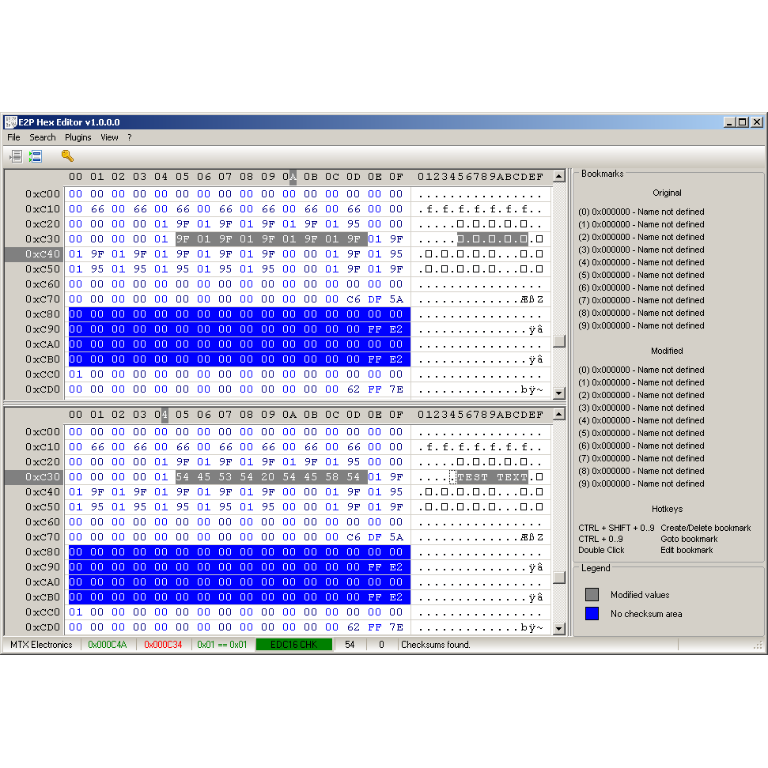
A hex editor built specifically for editing EEPROM data in automotive ECUs. With real-time checksum correction, side-by-side file comparison, and plugin support for automated tasks it's the ultimate tool for professionals.
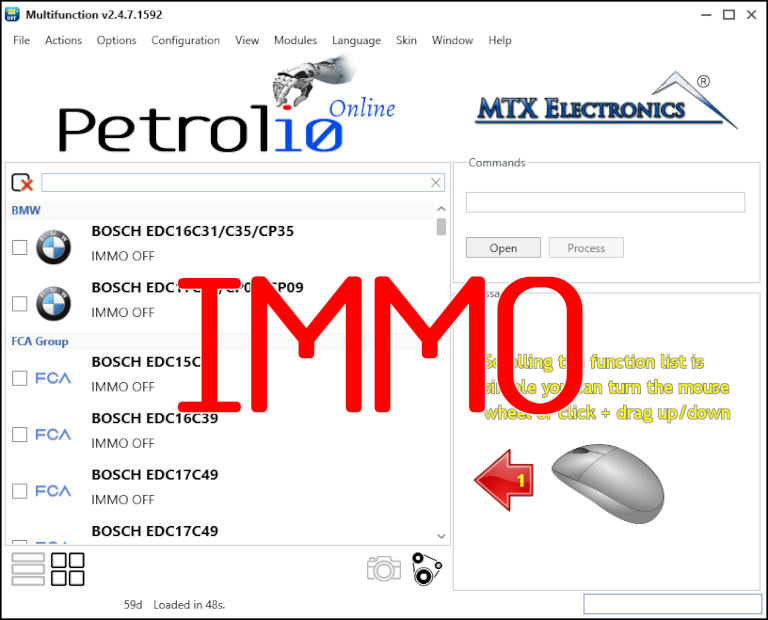
Immobilizer deactivation software for automotive professionals. Disable factory immobilizers directly in the ECU file ideal for engine swaps, track vehicles, and module replacements.
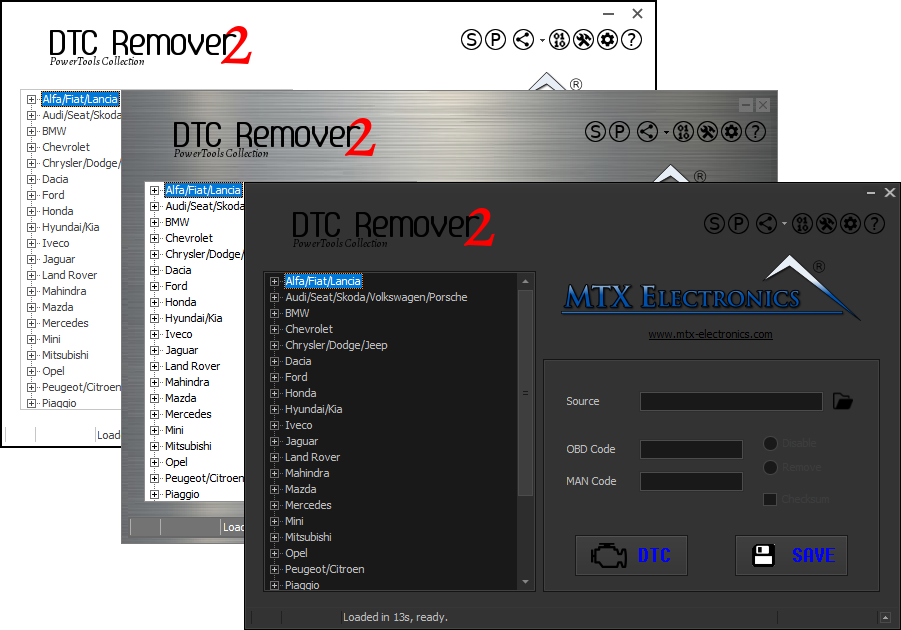
Lets you quickly disable fault codes to turn off the MIL light directly from your ECU file. Available in Standard and PowerTools editions with advanced scripting and online presets to remove faults by component groups.