
Plugins are optional native add-ons that extend Tuning Editor. They are discovered and loaded automatically at startup from the plugin folders; each one is checked against the application’s plugin ABI version and is only loaded if it is compatible. The app talks to each plugin through a safe wrapper, never the raw library, so a misbehaving add-on cannot destabilise the rest of the program.

Open Help › Installed Plugins for a read-only list of everything that loaded, grouped by kind. Each entry shows its Id, Name, Version, Vendor, ABI and Capabilities, with a Configure… button for plugins that have settings and a Rescan button to re-scan the folders after you add one. A Load failures section lists any plugin that could not load and the reason — the first place to look if an add-on does not appear.
Note — if a plugin is missing from the list, it usually means a version mismatch (built against a different ABI) or a missing dependency. The Load failures section names the reason.
Plugin libraries live in Tuning Editor’s plugin folder (a .dll on Windows). Each plugin keeps its own configuration in a per-user plugin-settings folder, so its options survive updates and can be backed up or moved between machines independently of the program itself.
Tuning Editor exposes a small, stable C ABI, so you can write your own add-on in any language that can produce a native library. The two walkthroughs cover the documented plugin kinds end to end:
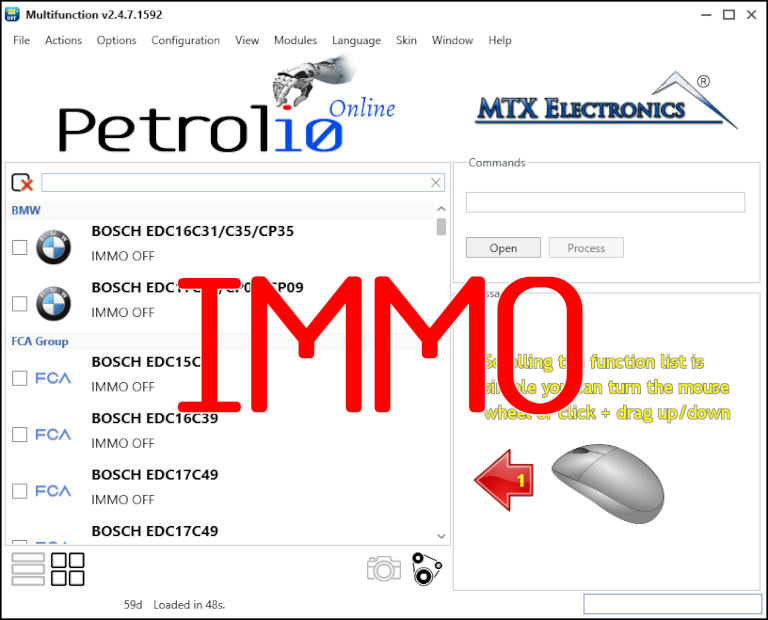
Immobilizer deactivation software for automotive professionals. Disable factory immobilizers directly in the ECU file ideal for engine swaps, track vehicles, and module replacements.
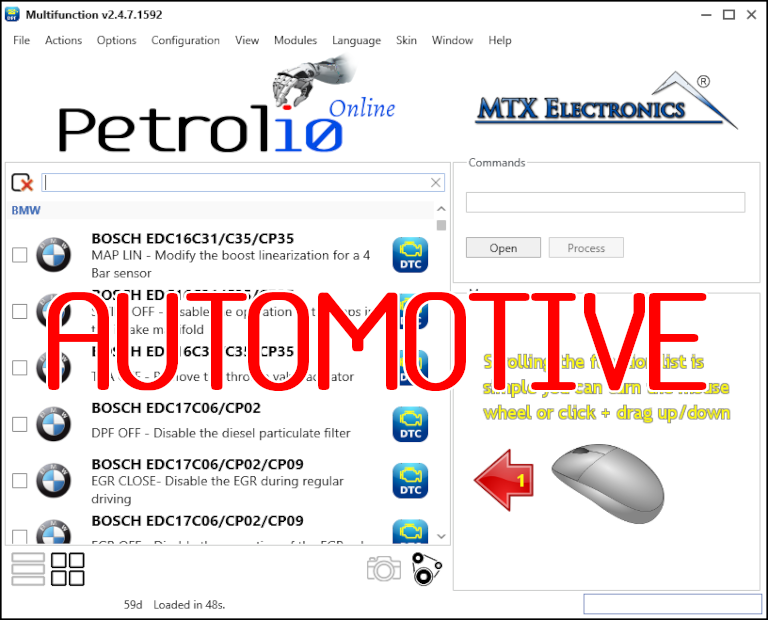
All-in-one application for tuning experts preparing vehicles for track use. Designed for professional workshops, it simplifies the deactivation of non essential components to unlock true performance.
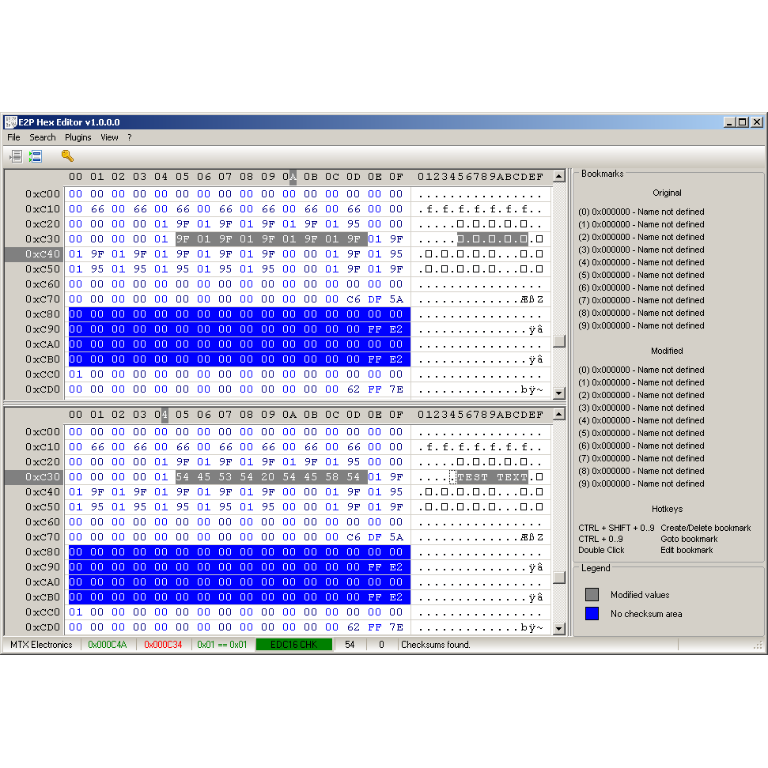
A hex editor built specifically for editing EEPROM data in automotive ECUs. With real-time checksum correction, side-by-side file comparison, and plugin support for automated tasks it's the ultimate tool for professionals.